
When choosing senior care, families often think about safety, compassion, and personalized attention. Just as important, however, is how the home itself is designed to support physical wellness. The environment seniors live in can play a big role in keeping them healthy, active, and comfortable.
Safe and Accessible Spaces
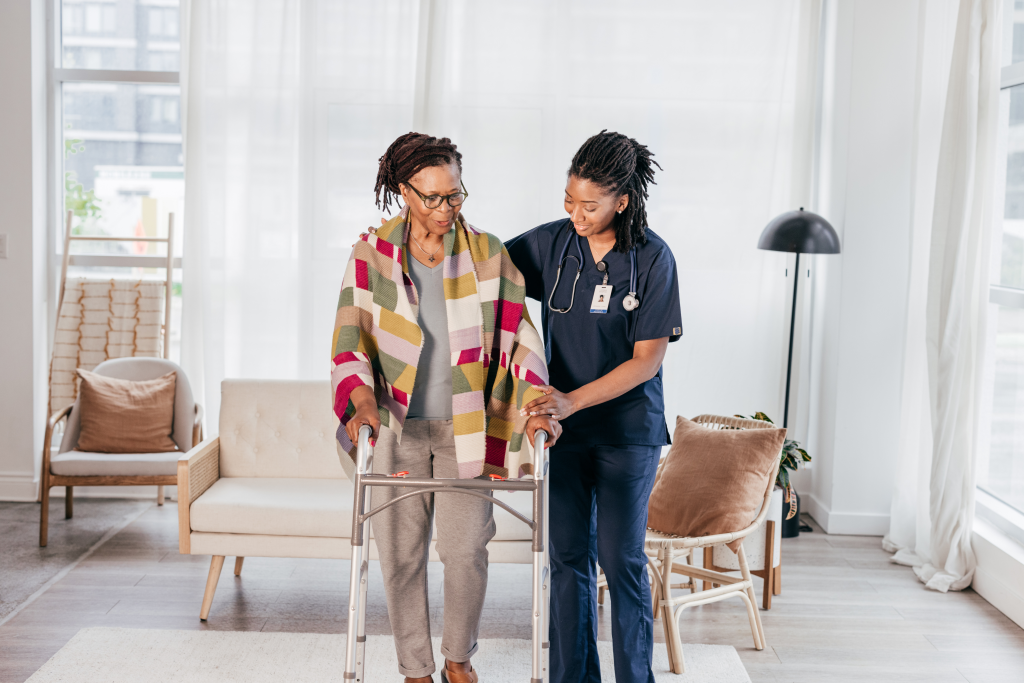
Physical wellness starts with safety. Homes designed with wide hallways, non-slip floors, and easy-to-navigate layouts allow seniors to move around freely without fear of falls. Grab bars, step-free showers, and good lighting help ensure daily routines are both safe and empowering.
Encouraging Daily Movement
Physical activity doesn’t have to mean structured workouts—it can be as simple as walking to the dining area, tending to a garden, or enjoying a safe outdoor space. A well-designed senior home offers inviting communal areas, outdoor patios, and pathways that encourage residents to stay active in ways that feel natural.
Spaces that Support Health Needs
Seniors often require medical support, but the environment shouldn’t feel clinical. Thoughtful design balances comfort with care by incorporating private areas for medical attention, spaces for stretching or light exercise, and cozy common rooms where movement and socialization come together.
Promoting a Healthy Lifestyle Through Meals
Physical wellness also comes through nutrition. Homes with a focus on family-style dining, nutritional meal planning, and accommodations for dietary needs foster both health and community. Sharing meals in a comfortable dining room encourages social connections, which support emotional and physical health alike.
Creating a Sense of Belonging
When seniors live in a home that feels warm, inviting, and accessible, they’re more likely to engage in daily activities that keep their bodies strong. A family-like atmosphere combined with thoughtful design empowers seniors to live with dignity and vitality.